What Is Sidewall Cladding and When Is It Needed?
When it comes to protecting and enhancing a building’s exterior, few solutions are as effective and versatile as sidewall cladding. Whether you’re a property owner, developer, or landlord, understanding how cladding systems work and when to install them can help you make smarter, more cost-effective decisions.
At Proclad Roofing, we specialise in cladding & roofing solutions tailored to commercial and industrial properties. In this guide, we’ll break down everything you need to know about sidewall cladding, including its benefits, applications, and when it becomes essential.

What Is Sidewall Cladding?
Sidewall cladding refers to the application of protective and decorative materials to the exterior walls of a building. It acts as a barrier against the weather, improves insulation, and enhances the building’s appearance.
Commonly used materials include:
- Aluminium cladding
- Steel and metal roof cladding
- Composite cladding panels
- Insulated external wall cladding
Unlike roof cladding, which protects the top of a structure, wall cladding focuses on vertical surfaces. Together, they form a complete building cladding system that improves durability and performance.
Types of Sidewall Cladding Systems
Choosing the right type of cladding wall system depends on your building’s purpose, budget, and environmental conditions.
Metal Cladding: Metal roof cladding and wall systems are widely used in industrial and commercial buildings due to their durability and low maintenance.
Key benefits:
- Long lifespan
- Fire resistance
- Weatherproof performance
Aluminium Cladding: Lightweight, corrosion-resistant, and ideal for modern architectural designs.
Best for:
- Commercial developments
- Office buildings
- High-end residential projects
Insulated Cladding Panels: These cladding panels combine insulation and protection into a single system, making them energy-efficient.
Advantages:
- Thermal performance
- Reduced energy costs
- Quick installation
Composite Cladding: A mix of materials designed for strength and aesthetics, often used in commercial roofing and cladding projects.
Why Is Sidewall Cladding Important?
- Weather Protection: Sidewall cladding shields your property from rain, wind, and UV exposure. Without proper external wall cladding, buildings are more susceptible to structural damage over time.
- Improved Insulation: Modern cladding panels significantly improve thermal efficiency, reducing heating and cooling costs, especially important in large industrial units.
- Enhanced Aesthetics: From sleek aluminium cladding to textured finishes, cladding transforms a property’s visual appeal, increasing its market value.
- Structural Longevity: Cladding acts as a protective layer, extending your building’s lifespan by preventing moisture ingress and corrosion.
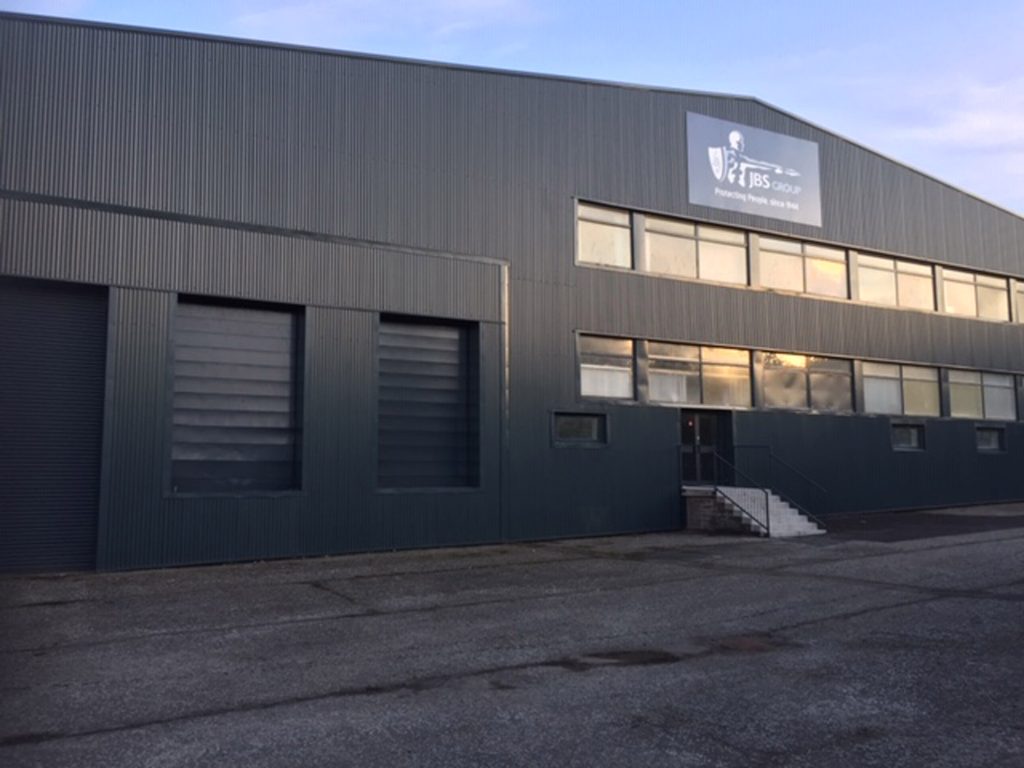
When Is Sidewall Cladding Needed?
Understanding when to invest in sidewall cladding can save you from costly repairs and inefficiencies.
- During New Construction: If you’re developing a commercial or industrial property, integrating building cladding from the start ensures optimal performance and regulatory compliance.
- When Renovating or Refurbishing: Older buildings often lack modern insulation and protection. Upgrading with external wall cladding improves both performance and appearance.
- Visible Exterior Damage: Cracks, leaks, or corrosion on your walls are clear signs that you may need a cladding contractor to assess and replace or install cladding.
- Energy Efficiency Upgrades: If your energy bills are rising, installing insulated cladding panels can drastically improve thermal performance.
- Compliance with Building Regulations: Many regions now require improved insulation and fire safety standards, making industrial roof cladding and wall systems essential.
Sidewall Cladding vs Roof Cladding
While both are part of a complete cladding & roofing system, they serve different purposes. Here’s a clear breakdown:
- Location: Sidewall cladding is installed on vertical surfaces (exterior walls), whereas roof cladding is applied to the top surface of a building.
- Function: Sidewall cladding primarily provides insulation and external protection, while roof cladding focuses more on weatherproofing and preventing water ingress.
- Materials: Sidewall systems often use cladding panels, including aluminium cladding, whereas roof systems commonly use metal sheets and specialised roof cladding panels.
- Use Case: Sidewall cladding protects and enhances exterior walls, while roof cladding is essential for durable, secure roofing systems.
In many projects, both the roof and wall cladding systems are installed together to create a fully integrated, high-performance building envelope.
Applications of Sidewall Cladding
- Commercial Buildings: Retail units, offices, and warehouses benefit from commercial roofing and cladding systems that improve durability and branding.
- Industrial Facilities: Factories and storage units rely on industrial roof cladding and wall systems for protection against harsh conditions.
- Residential Developments: Modern homes increasingly use exterior cladding for both insulation and design appeal.
Choosing the Right Cladding Contractor
Selecting the right cladding contractor is critical to the success of your project.
What to Look For:
- Proven experience in roofing and cladding
- Portfolio of commercial roof cladding projects
- Knowledge of materials like aluminium cladding
- Compliance with safety and building standards
Working with trusted roofing and cladding companies like Proclad Roofing ensures high-quality installation and long-term performance.
Why Choose Proclad Roofing?
At Proclad Roofing, we specialise in delivering tailored cladding & roofing solutions for commercial and industrial properties.
What Sets Us Apart:
- Expertise in roof cladding panels and wall systems
- High-quality materials, including metal roof cladding
- End-to-end service from consultation to installation
- Competitive pricing for commercial roof cladding projects
- Cost Considerations for Sidewall Cladding
The cost of installing external wall cladding depends on several factors:
- Material type (e.g., aluminium cladding, steel)
- Building size and complexity
- Labour and installation requirements
- Insulation needs
While upfront costs may vary, the long-term savings in maintenance and energy efficiency make cladding a worthwhile investment.
Common Mistakes to Avoid
- Choosing low-quality materials
- Hiring inexperienced contractors
- Ignoring insulation requirements
- Delaying necessary upgrades
Avoiding these pitfalls ensures your building cladding performs effectively for years.
Future Trends in Cladding
The cladding industry is evolving with innovations such as:
- Sustainable materials
- Energy-efficient cladding panels
- Smart building integration
Staying ahead of these trends can enhance property value and compliance.

Final Thoughts
Sidewall cladding is more than just an exterior upgrade; it’s a long-term investment in your building’s durability, efficiency, and value. From commercial roofing and cladding to residential projects, the right system can transform your property.
By partnering with trusted experts like Proclad Roofing, you ensure your project is completed to the highest standards, delivering performance, protection, and peace of mind.
Ready to Upgrade Your Property?
If you’re considering sidewall cladding, now is the time to act. Whether you’re planning a new development or upgrading an existing property, working with experienced roofing and cladding companies makes all the difference.
Get Expert Advice Today. Contact Proclad Roofing for a free consultation and discover the best cladding & roofing solution for your property.
Looking for a reliable cladding contractor? Get a tailored quote and start your project with confidence.