What Is Better: Vertical or Horizontal Cladding? A Complete Guide
Choosing the right cladding direction is more important than most property owners realise. Whether you’re upgrading your home, renovating an industrial facility, or refreshing a commercial exterior, the choice between vertical vs horizontal cladding influences not just aesthetics, but durability, maintenance, weather protection and long-term value.
At ProClad Roofing, we provide industry-leading roofing and cladding services in Scotland, delivering installation, repairs and maintenance for homes, commercial buildings, and industrial facilities. With decades of experience in roof cladding, cladding installations, cladding repairs, and full exterior envelope solutions, we understand how dramatically cladding direction can affect performance, especially in Scotland’s unpredictable climate.
If you’re asking “Which is better: vertical or horizontal cladding?”, this guide breaks down everything you need to know to make the best decision.

Vertical Cladding: Advantages & Best Uses
Vertical cladding has become increasingly popular across residential, commercial and industrial buildings throughout Scotland. It is commonly used with composite cladding, built-up cladding systems, metal cladding, insulated panels, and timber alternatives.
Modern Architectural Appeal:
- Vertical lines instantly create height and a striking contemporary look, ideal for modernised external building cladding or commercial facades.
Superior Water Runoff:
Drives rain downwards quickly, reducing:
- Moisture damage
- Corrosion risk
- Cladding maintenance needs
This makes it especially ideal for regions with heavy rainfall, like the west of Scotland.
Better for Industrial & Commercial Buildings:
Industrial buildings benefit greatly from:
- Improved weather protection
- Reduced dirt accumulation
- Lower long-term repair cladding requirements
This is why most industrial roofing and cladding systems opt for vertical orientation.
Best suited for:
- Industrial building cladding
- Commercial roofing and cladding
- New-build homes
- Modern architectural projects
- Coastal and high-rainfall environments
Horizontal Cladding: Advantages & Best Uses
Despite the rise of vertical systems, horizontal cladding remains extremely common, especially in housing and traditional buildings.
Traditional Appearance:
Perfect for homeowners who prefer a clean, classic finish.
It pairs well with:
- Housing cladding:
- Timber-effect systems
- Exterior cladding installations on period properties
Cost-Effective Installation:
Horizontal cladding usually requires fewer supporting battens, meaning:
- Faster installation
- Lower labour costs
- Ideal for customers working within a budget
Versatile for Many Property Types:
Homeowners often choose horizontal cladding for:
- Conservatories
- Extensions
- Garden rooms
- Home renovations
Best suited for:
- Traditional homes
- Housing developments
- Conservatories & extensions
- Buildings requiring a classic finish
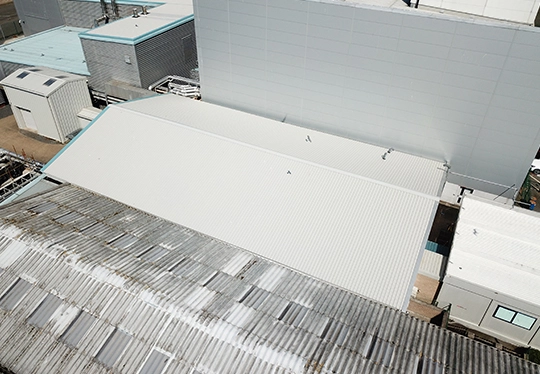
Weather Performance: Why Cladding Direction Matters in Scotland
Scotland’s climatehe, heavy rain, high winds, coastal salt exposure, makes cladding performance critical.
Vertical Cladding Performs Better Because:
- Rain flows straight down without tracking sideways
- Reduced water ingress risk
- Less chance of damp or rot behind panels
- Fewer maintenance challenges over time
Horizontal Cladding Challenges:
- Water can sit on the panel laps
- More prone to weathering
- Increased need for cladding inspections and repairs
For harsh weather zones (e.g., west Scotland), vertical cladding almost always outperforms.
Maintenance Differences: Vertical vs Horizontal
Vertical Cladding: Lower Maintenance
Because dirt and water naturally wash downwards, you’ll need:
- Fewer cladding repairs
- Less frequent cladding maintenance
- Reduced corrosion treatment and cladding coatings
Horizontal Cladding: Higher Maintenance
Dirt, salt and moisture tend to settle on the ridge lines, requiring:
- Regular cladding inspection
- More repairs
- Faster wear in coastal or windy regions
Which Cladding Direction Lasts Longer?
Vertical cladding usually lasts longer in Scotland due to superior water management and wind resistance.
Horizontal cladding can still last decades when professionally installed and maintained, especially when combined with:
- High-quality cladding coatings
- Proper fixing systems
- Professional cladding contractors
Cost Comparison: Vertical vs Horizontal Cladding
While pricing varies based on material choice, wall size and system type:
- Vertical cladding is usually 5–15% more expensive due to extra battens and detailing.
- Horizontal cladding is generally more cost-efficient, making it popular for large housing projects.
If cost is a driving factor, you can request a cladding replacement cost assessment to compare both systems.
Which Is Better for Commercial & Industrial Buildings?
For commercial and industrial clients, performance, durability and safety matter far more than appearance.
Vertical cladding is typically the better choice, thanks to:
- Strong weather resistance
- Lower maintenance over time
- Compatibility with composite and built-up cladding systems
- Better performance under harsh conditions
Most commercial cladding companies and industrial roofing and cladding specialists recommend vertical installation for longevity.
So, Which Is Better: Vertical or Horizontal Cladding?
Choose vertical cladding if you want:
- Better weather resistance
- Modern aesthetics
- Longer lifespan
- Lower maintenance
- Ideal industrial/commercial performance
Choose horizontal cladding if you want:
- Traditional appearance
- More affordable installation
- A classic domestic look

Ready to Install New Cladding? ProClad Roofing Can Help
Whether you need installation, repairs, replacement or a full exterior refurbishment, our expert roofing and cladding contractors provide reliable, high-quality solutions across Scotland.
Request a cladding survey or installation quote today and protect your building with the correct cladding system from specialists you can trust.